
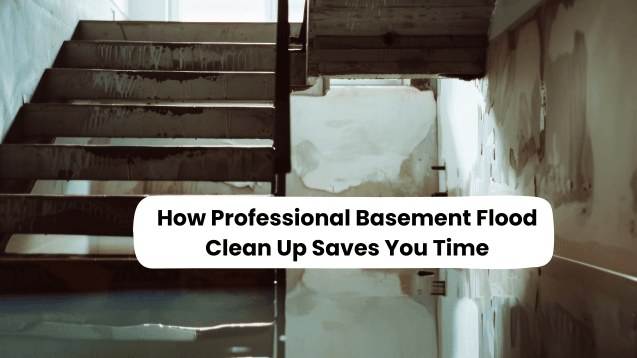
There’s nothing that hits harder than walking into your basement and hearing water splash under your feet, that sudden punch of panic, helplessness, and fear of how bad the damage really is. In seconds, the place that stores memories, valuables, and expensive systems turns into a soaked disaster zone. One moment everything feels normal, the next you’re stuck staring at rising water thinking, “How bad is this going to get?”
Most homeowners try to stay calm and convince themselves it’s not serious, maybe it will dry on its own, maybe a simple pump will fix it. But the truth? A flooded basement is one of the fastest ways to rack up repairs, mold damage, electrical danger, and long-term structural issues if not handled correctly.
That’s where professional basement flood clean up becomes a lifeline, not an expense, but a rescue plan for your home, wallet, and sanity.
Flooded Basement: What’s Actually at Risk?
Nearly 98% of basements reportedly experience some level of water damage over their life span. Basements are the lowest point of the home, so when water finds a way in, everything takes a hit:
- Electrical systems
- HVAC equipment
- Water heaters
- Foundation and structural beams
- Personal belongings and furniture
- Drywall, insulation & flooring
Even a minor water event can turn into a full-blown restoration nightmare if ignored or handled incorrectly.
And here’s where it gets worse: damp basements become mold playgrounds within 24–48 hours. That’s how fast contamination spreads, and once mold settles in, your restoration bill multiplies.
Why Professional Basement Flood Clean Up Is a Game Changer
Fast Water Extraction = Less Damage
DIY pumps and shop-vacs don’t cut it. Pros use industrial extraction systems designed to pull water from flooring, subflooring, and wall cavities. A fast response drastically reduces:
- Structural weakening
- Material deterioration
- Mold risk
A crew that specializes in basement flood clean up prevents a temporary flood from becoming a long-term problem.
Specialized Drying for Hidden Moisture
If you “just let it dry on its own,” you’ll regret it, because water hides everywhere:
- Behind drywall
- Under tiles and carpet
- Inside insulation
- Beneath concrete
Professionals use:
- Moisture meters
- Thermal cameras
- High-capacity dehumidifiers
- Structural drying systems
Translation? Every single pocket of moisture gets removed. No surprises later.
Prevention of Mold, Mildew & Contamination
Floodwater isn’t just water. It may carry:
- Bacteria
- Chemicals
- Sewage
- Allergens
Professional basement flood clean up includes sanitization and antimicrobial treatments to make the space safe again. Instead of guessing whether mold will grow, the risk is eliminated.
Insurance Assistance Without the Headache
Let’s be honest, insurance paperwork is like a boss fight no one trained for.
Restoration companies help by:
- Documenting damage
- Photographing affected areas
- Talking directly with adjusters
- Preparing pricing reports and proof of loss
End result? Higher chance of claim approval and faster payout.
Saving Time, Money & Stress (the trilogy nobody wants)
Most people hesitate to call professionals because they believe DIY will save money.
Here’s the ugly truth:
The cost of fixing improper DIY clean up is double, sometimes triple, the cost of hiring help immediately.
Professional basement flood clean up prevents:
- Foundation cracks
- Rotted framing
- Mold infestation
- Permanent odor
- Damaged electrical and HVAC systems
What you pay now protects you from the much bigger bill later.
Why Basements Flood in the First Place (and how to prevent it)
Top causes include:
| Cause | Risk Level | Prevention |
| Heavy rain | Very high | Proper drainage & sump pump |
| Foundation cracks | High | Foundation sealing |
| Sewer backup | High | Backflow valve installation |
| Burst pipes | Medium | Insulation & seasonal maintenance |
| Appliance failure | Medium | Routine inspection |
| Groundwater seepage | Medium | Waterproofing & grading |
Bottom line: whether your basement flooded because of a natural event, plumbing accident or structural issue, immediate professional clean up keeps damage contained and recoverable.
What to Expect During Professional Basement Flood Clean Up
A reputable crew follows a structured process:
- Inspection & damage assessment
- Water removal
- Anti-microbial surface treatment
- Structural drying & dehumidification
- Cleaning and odor removal
- Restoration/repairs (if needed)
- Final safety evaluation
You don’t have to lift a finger, and you don’t have to live with uncertainty.
DIY vs Professional Clean Up: The Real Comparison
| Task | DIY | Professionals |
| Water extraction | Limited | Complete |
| Mold prevention | Uncertain | Guaranteed |
| Hidden moisture removal | No | Yes |
| Safety | Risky | Certified |
| Time | Days or weeks | A few hours to a few days |
| Long-term cost | Very high | Lower |
DIY addresses the symptoms.
Professionals fix the cause and consequences.
When Basement Flooding Becomes an Emergency
Stop reading and call for help immediately if you notice:
- Water touching outlets or electrical items
- Standing water spreading across rooms
- A sewage smell
- Rapidly rising water
- Visible mold
Every hour counts, especially in the first 48 hours.
Pro Tip: The Fastest Way to Recover After a Basement Flood
Don’t wait to “see if things dry out.”
Don’t move furniture around hoping it gets better.
And for your sanity, don’t Google DIY hacks from strangers on YouTube.
The most cost-efficient and time-smart move is calling a professional basement flood clean up team the moment water is discovered.
You Don’t Have to Deal With This Alone
There are two kinds of basement floods, the ones you react to immediately, and the ones that end up haunting your home for months because help came too late. One choice protects your property, health, and wallet… the other leads to mold, stress, endless repairs, and insurance battles nobody wants to fight.
You don’t deserve to live with anxiety every time it rains…
You don’t deserve to worry about what damage is hiding behind your walls…
You don’t deserve to lose sleep wondering if your home is still safe.
Professional basement flood clean up isn’t just about removing water, it’s about removing fear, uncertainty, and long-term damage before it ever starts.
If you’re dealing with a flooded basement, don’t wait, don’t guess, and don’t gamble on DIY fixes that might cost you more later. Let a trusted restoration team step in, take over the burden, and guide you back to safety.
And when you’re ready for fast, reliable, and stress-free recovery,
NRG Restoration is here to respond immediately, so you don’t face this disaster alone.
FAQs
1. How to clean up a flooded basement?
Start by shutting off the electricity and stopping the water source. Remove standing water using pumps, then dry the area with fans and dehumidifiers. Disinfect all surfaces to prevent contamination. Check walls, flooring, and furniture for hidden moisture. If water damage is extensive, call professional basement flood cleanup specialists immediately.
2.How much does it cost to clean up a flooded basement?
The cost depends on the water source, damage level, drying equipment needed, and whether structural repairs are required. Minor flooding may cost a few hundred dollars, while severe basement floods with mold or contamination can reach thousands. Calling professionals quickly usually reduces total cleanup and restoration costs significantly.
3.How do I prevent mold after a basement flood?
Remove water as fast as possible and fully dry all materials, including walls and flooring. Use dehumidifiers and disinfectants designed to stop mold growth. Keep humidity low for several days. If moisture remains hidden behind surfaces, mold will return—so professional drying and inspection offer the best long-term protection.
4.Do you have to throw everything away after a flood?
Not always. Items made of solid wood, metal, and some plastics can often be saved with proper cleaning and drying. But porous materials like carpets, mattresses, paper, and soaked drywall usually must be discarded due to contamination and mold risk. A restoration expert can assess what is safe to salvage.